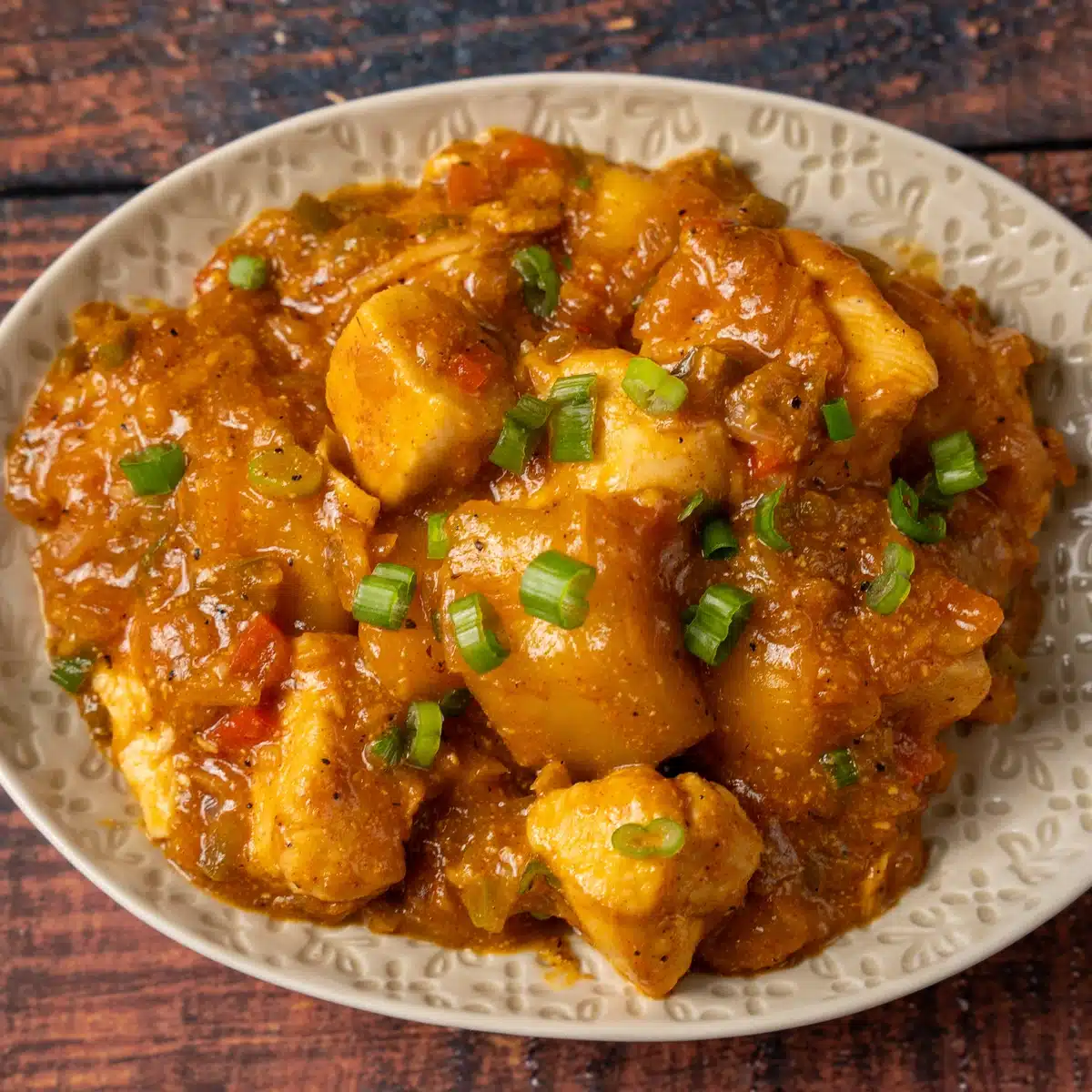
Discover Mango Chicken: A Culinary Journey from South Indian Roots to Global Favorite
Few dishes capture the imagination and tantalize the taste buds quite like
mango chicken. This vibrant Indian curry is a testament to culinary innovation, masterfully blending sweet, spicy, and tangy elements into a creamy, comforting, and utterly distinctive meal. From its humble beginnings in the sun-drenched kitchens of South India to its current status as a beloved global phenomenon, mango chicken offers a unique flavor profile that sets it apart from more traditional curries, appealing to adventurous palates and comfort food seekers alike.
At its heart,
mango chicken is a fusion-style preparation that celebrates the versatility of the king of fruits – the mango. Tender pieces of chicken are simmered in a rich, velvety sauce where the tropical sweetness of ripe mango puree dances harmoniously with the zesty kick of raw or semi-ripe mangoes, often rounded out by creamy coconut milk and a symphony of aromatic spices. It's a dish that not only satisfies hunger but also tells a story of tradition, adaptation, and the enduring appeal of innovative flavors.
The Flavor Symphony: What Makes Mango Chicken Irresistible?
The allure of
mango chicken lies in its remarkably balanced and complex flavor profile. This isn't just a sweet curry; it's a carefully orchestrated symphony of tastes that awakens every part of the palate.
* **Sweetness from Ripe Mangoes:** The star ingredient, ripe mango puree, infuses the dish with its natural, luscious sweetness, creating a comforting and exotic base. This sweetness is never cloying, thanks to the other contrasting elements.
* **Tanginess from Raw Mango or Acidic Elements:** To prevent the dish from becoming overly sweet, traditional preparations often incorporate raw or semi-ripe mangoes, which lend a delightful sourness. Modern adaptations might use yogurt, lime juice, or even a touch of tamarind to achieve this crucial tangy counterpoint. This acidity brightens the sauce and adds depth, ensuring a dynamic taste experience.
* **Aromatic Spices for Heat and Depth:** No Indian curry is complete without its signature blend of spices.
Mango chicken typically features a warming medley of ginger, garlic, cumin, coriander, turmeric (which also contributes to its beautiful color), and chili powder, providing a gentle heat that complements the fruitiness without overwhelming it.
* **Creaminess from Coconut Milk:** A defining characteristic of many South Indian curries, coconut milk is essential for creating the luxurious, velvety texture of the sauce. It imparts a subtle tropical richness and a smooth mouthfeel, making each spoonful incredibly satisfying. Sometimes, a touch of cream or yogurt is added for extra richness and tang.
The visual appeal of
mango chicken is also part of its charm. The natural pigments of mango, combined with turmeric, give the dish a vibrant yellow-orange hue that is as inviting to the eye as it is to the taste buds. This harmonious contrast of flavors—sweet from ripe mango, heat from spices, richness from coconut milk, and tang from acidic elements—makes
mango chicken a truly unique and irresistible culinary creation. If you're looking to explore more about its distinct characteristics, you might find this article insightful:
Mango Chicken: A Sweet, Tangy, and Spicy Indian Fusion Delight.
Tracing Its Roots: From South Indian Traditions to Modern Plates
While
mango chicken might seem like a contemporary innovation, its foundational concepts are deeply rooted in the ancient culinary traditions of South India. Mangoes have been an integral part of Indian cuisine for millennia, used not just as a fruit but as a vital flavoring agent in savory dishes.
* **South Indian Culinary Heritage:** The inspiration for
mango chicken directly stems from traditional South Indian curries, particularly those from regions like Karnataka and Andhra Pradesh. In these areas, raw (unripe) mangoes are frequently used to impart a sour, tangy flavor to various meat and vegetable curries, cutting through richness and adding a refreshing zest. These traditional preparations might be known by names like "Pacha Manga Curry" or "Mambazha Kozhi Kari" (meaning raw mango curry or mango chicken curry in Malayalam/Tamil, respectively).
* **Evolution through Adaptation:** The modern iteration of
mango chicken, which prominently features the sweetness of ripe mangoes alongside the traditional tang, represents a delightful evolution. It showcases how centuries-old culinary principles can adapt and flourish with new interpretations, creating dishes that resonate with diverse palates.
* **The Diaspora's Influence and Global Popularity:** The dish's journey from regional specialty to global favorite largely owes to the Indian diaspora. As Indian communities spread across the world, they carried their culinary heritage with them, adapting traditional recipes to local ingredients and tastes.
Mango chicken emerged as a shining example of this adaptation, gaining popularity in Indian restaurants in Western countries and eventually finding its way into home kitchens worldwide. Its appeal lies in its approachability—it offers familiar curry elements with an unexpected, delicious fruity twist, making it a staple in contemporary Indian fusion cooking. While the English term "mango chicken" is widely used, some modern references also use "Aam Murgh" ("aam" for mango, "murgh" for chicken), reflecting a Hindi/Urdu influence on a dish fundamentally South Indian in spirit.
Crafting Your Own Mango Chicken: Tips for Home Cooks
Bringing the delightful experience of
mango chicken to your own kitchen is a rewarding endeavor. With a few key insights and practical tips, you can recreate this restaurant-quality dish with ease.
1. **Choosing Your Mangoes Wisely:**
* For the dominant sweetness, opt for ripe, fragrant mangoes (like Alphonso, Ataulfo, or Honey mangoes). These will provide the smooth, sweet puree that forms the backbone of your sauce.
* If you want to introduce a traditional tang, look for firm, slightly green mangoes or use a combination of ripe mango puree with a touch of lime juice or plain yogurt. Taste as you go to find your perfect sweet-tangy balance.
2. **Preparing the Chicken:**
* **Browning is Key:** Before simmering, always brown your chicken pieces (thighs or breasts work well) in a hot pan. This step is crucial for developing a rich depth of flavor and creating a beautiful caramelized crust, locking in moisture and adding complexity to the final dish.
* Cut the chicken into uniform, bite-sized pieces for even cooking.
3. **Building the Sauce:**
* Sauté aromatics like ginger and garlic until fragrant.
* Add your chosen spices (cumin, coriander, turmeric, chili powder) and cook for a minute to bloom their flavors.
* Stir in the mango puree and coconut milk, bringing it to a gentle simmer. This is where the magic happens!
* For extra creaminess and richness, consider adding a spoonful of plain yogurt or a cashew paste (soaked cashews blended with a little water) to the sauce.
4. **Balancing Flavors:**
* **Taste, Taste, Taste:** This is the most important rule. Adjust sweetness with a pinch of sugar or honey, and tanginess with more lime juice or a splash of vinegar. If it's too spicy, a dollop of yogurt or cream can mellow the heat.
* Allow the curry to simmer gently for at least 20-30 minutes after adding the chicken, allowing the flavors to meld and the chicken to become incredibly tender.
5. **Variations to Explore:**
* **Vegetable Additions:** Feel free to toss in some vibrant vegetables like bell peppers, spinach, or green beans during the last 10-15 minutes of cooking for added nutrients and texture.
* **Spice Level:** Customize the chili content to your preference. For a milder curry, reduce the chili powder; for more heat, add fresh green chilies or a pinch of cayenne.
* **Garnish:** Finish your dish with a sprinkle of fresh cilantro, a swirl of cream, or toasted sesame seeds for an appealing presentation and an extra layer of flavor.
Serving Suggestions for Your Mango Chicken Masterpiece
The beauty of
mango chicken extends to its versatility at the dinner table. It pairs wonderfully with a variety of accompaniments that help soak up its luscious sauce and complete the meal.
* **Classic Rice Pairings:**
* **Steamed Basmati Rice:** The classic choice, its fluffy grains are perfect for absorbing every drop of the flavorful sauce.
* **Coconut Rice:** For an extra layer of tropical indulgence, serve your mango chicken with fragrant coconut rice.
* **Breads for Dipping:**
* **Naan Bread:** Soft, chewy naan, especially garlic naan, is an excellent vehicle for scooping up the rich curry.
* **Roti or Chapati:** For a lighter option, these whole wheat flatbreads are equally delicious.
* **Complementary Sides:**
* A simple side of steamed green beans, roasted broccoli, or an easy vegetable stir-fry can add freshness and texture to your meal.
* A cooling cucumber raita (yogurt dip) can also be a lovely contrast to the curry's warmth.
Embrace the joy of cooking this incredible dish, and you'll quickly understand why it has become such a beloved meal. To delve deeper into its creamy and vibrant appeal, consider reading
The Creamy, Vibrant Appeal of Mango Chicken for Your Next Meal.
Conclusion
Mango chicken is more than just a dish; it's a culinary experience that bridges tradition with modernity, offering a unique blend of sweet, tangy, and spicy flavors that captivate the senses. From its South Indian origins, where raw mangoes once provided essential sourness, to its global evolution featuring the ripe fruit's sweetness, this dish showcases the dynamic nature of Indian cuisine. Whether you're exploring its rich history, savoring its harmonious flavor profile, or mastering its preparation in your own kitchen,
mango chicken promises a memorable and incredibly satisfying meal. It’s a testament to the idea that some of the most exciting flavors emerge when diverse culinary elements come together, creating a dish that truly stands out in the vast and delicious world of Indian fusion.