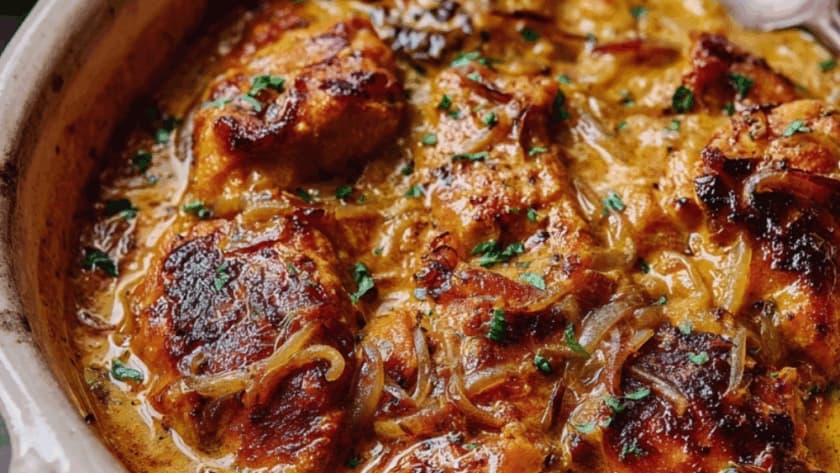
The Creamy, Vibrant Appeal of Mango Chicken for Your Next Meal
Imagine a dish that perfectly marries the luscious sweetness of tropical mangoes with the aromatic warmth of Indian spices, all enveloping tender pieces of chicken in a rich, velvety sauce. This culinary dream is none other than mango chicken, a dish that has captivated palates worldwide with its unique blend of sweet, tangy, and spicy notes. Far from being just another curry, mango chicken stands out as a vibrant testament to innovative fusion cooking, offering an exotic yet comforting experience that transforms any meal into a special occasion.
At its heart, mango chicken is a celebration of contrasts. It takes the familiar concept of an Indian curry and elevates it with an unexpected fruity twist, creating a harmonious flavor profile that is both intriguing and incredibly satisfying. Whether you're a seasoned connoisseur of Indian cuisine or new to its diverse flavors, the vibrant appeal of mango chicken promises an unforgettable culinary journey.
A Symphony of Flavors: Unpacking Mango Chicken's Unique Profile
What truly distinguishes mango chicken from its curry counterparts is its remarkably balanced and complex flavor profile. This dish is a masterclass in culinary harmony, artfully blending distinct tastes to create a cohesive and deeply satisfying experience. The primary sweetness, of course, comes from ripe mango puree, which infuses the sauce with a sunny, tropical essence. This isn't just a one-note sweetness, however; it's beautifully modulated by tangy elements. Traditional preparations often harness the sourness of raw or semi-ripe mangoes, a nod to authentic South Indian culinary practices. Modern adaptations might introduce lime juice or yogurt, adding a bright, acidic counterpoint that prevents the dish from becoming overly sweet.
Complementing this fruit-forward foundation is a robust blend of aromatic Indian spices. Ingredients like pungent ginger, earthy cumin, and fiery chili provide the characteristic warmth and depth that define a great curry. Turmeric not only contributes to the rich, golden-orange hue but also adds its subtle, earthy notes. The sauce's luxurious, creamy texture is a cornerstone of its appeal, often achieved through the generous inclusion of coconut milk. This tropical addition lends a smooth, velvety consistency and enhances the overall richness, making each spoonful feel indulgent. Sometimes, yogurt is also incorporated, adding another layer of creaminess and a delicate tang. The result is a sauce that clings beautifully to tender chicken pieces, delivering a multi-layered taste sensation that appeals to a wide spectrum of palates, from those who love bold spices to those who prefer a gentler, fruit-infused warmth.
From South Indian Roots to Global Sensation: The Evolution of Mango Chicken
The story of mango chicken is one of culinary evolution, reflecting a beautiful fusion of ancient traditions and modern innovation. While it’s often celebrated in contemporary Indian fusion cooking, its origins are deeply rooted in the rich culinary heritage of South India, particularly regions like Karnataka and Andhra Pradesh. In these areas, the use of raw, unripe mangoes to impart a delightful sourness to savory curries has been a long-standing practice. Dishes like "Pacha Manga Curry" or "Mambazha Kozhi Kari" exemplify this traditional approach, where mango is not merely a fruit but a crucial flavoring agent, adding a unique piquant kick to various preparations.
As Indian diaspora communities expanded globally, so too did the creative adaptations of their beloved cuisine. The concept of using mango in a chicken curry evolved, incorporating ripe mangoes to introduce a luscious sweetness that appealed to a broader international audience. This adaptation transformed a regional specialty into a globally recognized favorite. While the English term "mango chicken" is widely used, it beautifully encapsulates this dish's journey, even as some modern references embrace Hindi/Urdu-inspired names like "Aam Murgh" (where "aam" means mango and "murgh" means chicken). Regardless of its name, the dish's popularity soared, transitioning from restaurant menus to home kitchens worldwide. This global embrace highlights its ability to transcend cultural boundaries, proving that the harmonious blend of sweet, tangy, and spicy is universally appealing. To delve deeper into its fascinating journey, consider reading Discover Mango Chicken: South Indian Roots to Global Favorite.
Crafting the Perfect Mango Chicken: Key Ingredients and Techniques
Creating an exceptional batch of mango chicken is surprisingly accessible, making it a fantastic dish for both weeknight dinners and special gatherings. The magic lies in selecting the right ingredients and understanding how they interact to form that signature flavor and texture. Here’s a breakdown of what you'll need and some tips for success:
Essential Ingredients:
- Chicken: Boneless, skinless chicken thighs or breasts cut into bite-sized pieces are ideal. Thighs tend to stay juicier and more tender during simmering. Browning the chicken first, as often recommended, adds a depth of flavor and a lovely sear.
- Mangoes: This is the star! For the sweet element, choose ripe, fragrant mangoes (like Ataulfo or Honey mangoes) for their concentrated sweetness and smooth pulp. For the tangy component, you can use a small amount of raw/semi-ripe mango puree or simply rely on lime juice or yogurt.
- Creamy Base:
- Coconut Milk: Full-fat coconut milk is paramount for achieving the sauce's characteristic velvety texture and tropical richness. Do not skimp on this!
- Yogurt: Plain, full-fat Greek yogurt or regular yogurt (whisked to prevent curdling) can be added for extra creaminess, a slight tang, and depth.
- Aromatic Spices:
- Ginger & Garlic: Freshly minced ginger and garlic are the backbone of many Indian curries, providing pungent, warm notes.
- Cumin: Ground cumin offers an earthy, nutty base.
- Chili: Red chili powder, cayenne, or fresh green chilies allow you to adjust the heat to your preference.
- Turmeric: Essential for its vibrant color and subtle, earthy flavor.
- Other Spices: Coriander, garam masala, and a touch of fenugreek leaves (kasoori methi) can add further complexity.
- Acidic Elements: Besides raw mango, lime or lemon juice can brighten the flavors and enhance the tanginess, balancing the sweetness.
Tips for Perfecting Your Mango Chicken:
- Mango Quality: Use the best quality ripe mangoes you can find. Their flavor will significantly impact the dish. If using frozen mango puree, ensure it's pure and unsweetened.
- Balance is Key: Taste your sauce as you go. If it's too sweet, add a splash more lime juice or a pinch of salt. If it's too tangy, a touch of honey or brown sugar can mellow it.
- Prevent Curdling (if using yogurt): If incorporating yogurt, ensure it's at room temperature and temper it by stirring in a few spoonfuls of the hot sauce before adding it back to the main pot. Cook on low heat after adding yogurt.
- Simmering: Allow the curry to simmer gently for at least 20-30 minutes after adding the chicken to let the flavors meld and the chicken become truly tender.
- Serving Suggestions: Mango chicken is a dream paired with fluffy steamed basmati rice or fragrant coconut rice, which perfectly soaks up every drop of the delicious sauce. Naan bread or roti are also excellent for scooping. Round out the meal with a simple side of steamed green beans or a light vegetable stir-fry for a wholesome and satisfying dinner.
Why Mango Chicken Deserves a Spot in Your Culinary Repertoire
If you're looking for a dish that offers both adventure and comfort, mango chicken is an unparalleled choice. Its dynamic flavor profile—a seamless dance between the tropical sweetness of mango, the zesty tang of its acidic counterparts, and the comforting warmth of traditional Indian spices—makes it a standout. It's a dish that stimulates the senses and leaves a lasting impression, moving far beyond the ordinary.
Beyond its incredible taste, mango chicken is remarkably versatile. It's easy to customize, allowing you to tailor the spice level to your preference, incorporate additional vegetables for a heartier meal, or even experiment with different proteins like shrimp or paneer for delightful variations. Its relatively straightforward preparation, often requiring less than an hour from start to finish (as highlighted by many home cooks), means you can achieve restaurant-quality results in your own kitchen with minimal hassle. This makes it an ideal option for busy weeknights when you crave something special without a lengthy cooking commitment.
Moreover, the dish carries a unique comfort food appeal. The creamy, rich sauce provides a sense of warmth and indulgence, while the vibrant colors from the mango and turmeric are a feast for the eyes, promising a satisfying experience even before the first bite. It's a meal that feels exotic yet familiar, blending the best of both worlds. For more inspiration on this delightful dish, explore Mango Chicken: A Sweet, Tangy, and Spicy Indian Fusion Delight.
In conclusion, mango chicken is more than just a meal; it's a culinary experience. Its harmonious blend of flavors, rich history, and adaptable nature make it a perfect addition to any cook's repertoire. Whether you're seeking a dish to impress guests, spice up your dinner rotation, or simply indulge in a moment of delicious comfort, the creamy, vibrant appeal of mango chicken is sure to deliver a truly memorable and satisfying dining experience.
